

Cervical cancer occurs when abnormal cells in the lining of the cervix grow in an uncontrolled way. The cervix is part of the female reproductive system; the lower part of the womb (uterus) that joins to the top of the vagina.
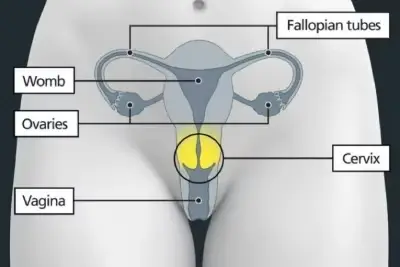
Cervical cancer usually develops very slowly from abnormal cell changes in the cervix. These changes often do not cause any symptoms, especially at a very early-stage, and they may be found with cervical screening tests. If the tests show abnormal cell changes, treatment can prevent cancer development.
Common symptoms of cervical cancer include:
- heavier periods than you normally have
- vaginal bleeding between periods, after sex, or after the menopause.
There are two main types of cervical cancer. The most common is squamous cell carcinoma, which develops from a type of cell that covers the outside of the cervix, at the top of the vagina. The other type is adenocarcinoma, which develops from a different type of cell found in the cervical canal (the endocervix).
Rarer types include:
- adenosquamous carcinoma
- clear cell carcinoma
- neuroendocrine carcinoma or small cell carcinoma of the cervix
- lymphoma
- sarcoma
Treatment for cervical cancer at CUH
The treatment you have depends on several factors, which include:
- the type and size of the cancer
- the stage of the cancer
- your general health
- whether you have been through the menopause
- whether you want to get pregnant in future
A team of specialists at CUH will meet to discuss your condition and to make a recommendation about the best possible treatment for you.
You, along with your clinician, will then discuss your treatment recommendations at the clinic appointment and decide on the right treatment plan for you. Your clinician will explain the different treatments and their side effects.
The treatment for cervical cancer can include:
- surgery
- radiotherapy
- chemotherapy
- targeted therapy
- immunotherapy
- clinical trials
At times, you may require more than one treatment or a combination of different treatments to give the best chance of long-term cure and to help reduce the risk of the cancer coming back.
Read more about the different types of treatment on our website.